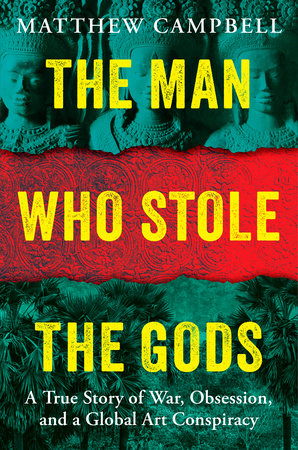
“Painstakingly researched and paced like a thriller, this sweeping, cinematic account weaves together true crime and Asian history to shine a light on a little-explored art world scandal. It’s a breathtaking ride.”
— Publishers Weekly, starred review
“Thought-provoking true crime on a grand scale.”
— Kirkus
“An epic tale of art, war, and crime, The Man Who Stole the Gods unspools a sprawling conspiracy of tomb raiders, art dealers, and museum curators, with one elusive expatriate at the heart of it all. Campbell brings the story to life with brisk pacing, an instinct for drama, and a firm grasp of the moral and historical stakes.”
— Stuart A. Reid, senior fellow for history and foreign policy at the Council on Foreign Relations and author of The Lumumba Plot
“The Man Who Stole the Gods transcends reportage, marrying investigative rigor to the emotional force of great fiction. Propulsive and devastating, it traces a story of greed and violence that opens, finally, onto redemption, rendered with exceptional clarity and insight.”
— Katie Engelhart, Pulitzer Prize–winning author of The Inevitable
“Immaculately researched and beautifully written, The Man Who Stole the Gods is a gripping real-life exposé of the ugly deals that underpin the trade in beautiful objects.”
— Oliver Bullough, author of Everybody Loves Our Dollars and Moneyland
“The Man Who Stole the Gods is both an archaeological adventure to rival David Grann’s Lost City of Z, and a riveting exposé of the plunder that still fills the world’s top art museums.”
— Zeke Faux, author of Number Go Up
“Masterfully reported and beautifully told, The Man Who Stole the Gods is a piercing indictment of our unequal world. It reads like a thriller, starring elite curators, business moguls, despots, freedom fighters, and one of the most fascinating anti- heroes in modern memory.”
— Sheelah Kolhatkar, staff writer at The New Yorker and author of Black Edge
“Campbell’s book reveals the broader systems that continue to shape cultural ownership: the lingering authority of Western institutions to determine their own legitimacy without accountability. Ultimately, Campbell asks readers to reconsider what museums are protecting and whom they serve. Hopefully, The Man Who Stole the Gods will encourage a more critical interrogation of museums, galleries, and auction houses as sites of power, where cultural value is constructed through deeply unequal histories of commodification that continue to shape the art market today.”
— Hyperallergic