Close Modal

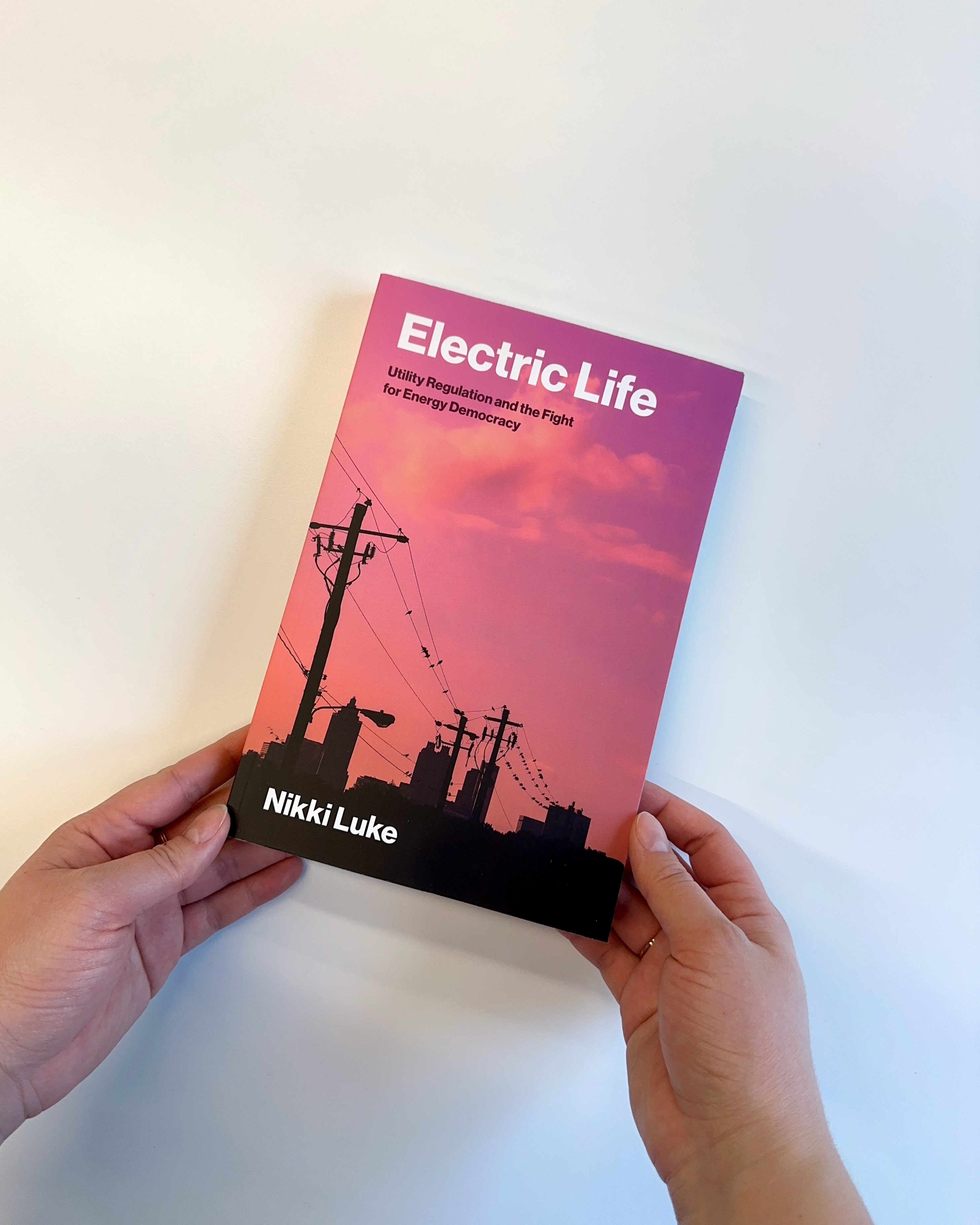
Electric Life

Utility Regulation and the Fight for Energy Democracy

Author Nikki Luke On Tour
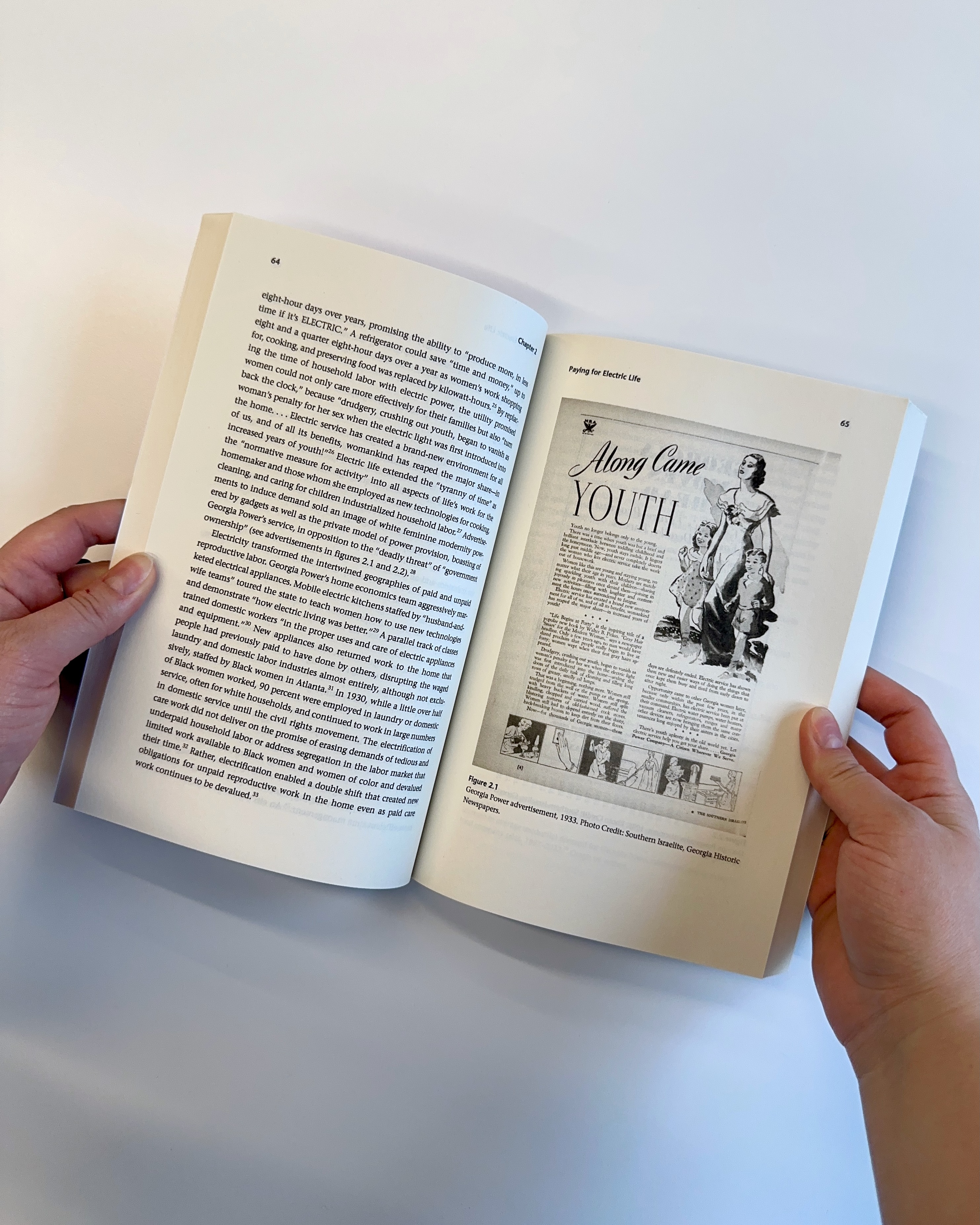
Look inside
Paperback
$40.00 US
6.06"W x 9"H x 0.71"D   (15.4 x 22.9 x 1.8 cm) | 12 oz (340 g) | 26 per carton
On sale Mar 17, 2026 | 272 Pages | 9780262051972
Sales rights: World

additional book photo
How workers and customers engage utility regulation to act on climate change, energy affordability, and environmental, racial, and economic injustice.

Electric Life traces the intertwined history of Atlanta’s racialized uneven development and growing electricity use to show how electricity infrastructure shapes everyday life. Nikki Luke looks at how quotidian relationships with the electric utility catalyze intersectional organizing for energy democracy. She also investigates the legal and material construction of the investor-owned utility as a regulated monopoly and the state public service commission that regulates it.

Contemporary organizing for energy democracy questions how the utility and the systems that govern it need to change to ensure energy affordability, provide remedy and reparation for enduring environmental and energy injustice, and build a just and equitable energy transition from fossil fuels. Bridging urban, environmental, and labor studies, the author demonstrates how these demands to change the utility emerge from the tradition of civil rights, labor, and environmental organizing for fair treatment from the utility, affordable energy, protection from pollution, and good jobs.
ENDORSEMENTS

“Electricity is nominally a public utility, but it is often managed in ways that do not support public needs. Electric Life lucidly explains the struggle for energy democracy in Atlanta and the US South, the fraught roles of regulators and energy corporations within it, and why we can and should reclaim electricity as a truly public good.”
—Rebecca Lave, coauthor of Streams of Revenue

"Electric Life offers new conceptual vocabularies for thinking about the dynamics of capitalism in the context of energy transition, and from the side of those historically excluded from its benefits. This incisive book makes an important contribution to scholarship committed to uncovering the intersecting histories of environmental, racial, and economic injustice.”
—Beverley Mullings, Professor of Political Economy, University of Toronto

Electric Life connects energy infrastructure and the intimacy of everyday life to ask how energy transitions could lead to more equitable societies. For Luke, this transition is an opportunity for democratizing energy—a chance to rebuild the energy system and redistribute power more equitably by asking how and why people need and use energy, and what systems can best meet these collective needs.”
—Gabriela Valdivia, coauthor of Oil, Revolution, and Indigenous Citizenship in Ecuadorian Amazonia
Nikki Luke is Assistant Professor of Geography at the University of Tennessee.
Available for sale exclusive:
•     Afghanistan
•     Aland Islands
•     Albania
•     Algeria
•     Andorra
•     Angola
•     Anguilla
•     Antarctica
•     Antigua/Barbuda
•     Argentina
•     Armenia
•     Aruba
•     Australia
•     Austria
•     Azerbaijan
•     Bahamas
•     Bahrain
•     Bangladesh
•     Barbados
•     Belarus
•     Belgium
•     Belize
•     Benin
•     Bermuda
•     Bhutan
•     Bolivia
•     Bonaire, Saba
•     Bosnia Herzeg.
•     Botswana
•     Bouvet Island
•     Brazil
•     Brit.Ind.Oc.Ter
•     Brit.Virgin Is.
•     Brunei
•     Bulgaria
•     Burkina Faso
•     Burundi
•     Cambodia
•     Cameroon
•     Canada
•     Cape Verde
•     Cayman Islands
•     Centr.Afr.Rep.
•     Chad
•     Chile
•     China
•     Christmas Islnd
•     Cocos Islands
•     Colombia
•     Comoro Is.
•     Congo
•     Cook Islands
•     Costa Rica
•     Croatia
•     Cuba
•     Curacao
•     Cyprus
•     Czech Republic
•     Dem. Rep. Congo
•     Denmark
•     Djibouti
•     Dominica
•     Dominican Rep.
•     Ecuador
•     Egypt
•     El Salvador
•     Equatorial Gui.
•     Eritrea
•     Estonia
•     Ethiopia
•     Falkland Islnds
•     Faroe Islands
•     Fiji
•     Finland
•     France
•     Fren.Polynesia
•     French Guinea
•     Gabon
•     Gambia
•     Georgia
•     Germany
•     Ghana
•     Gibraltar
•     Greece
•     Greenland
•     Grenada
•     Guadeloupe
•     Guam
•     Guatemala
•     Guernsey
•     Guinea Republic
•     Guinea-Bissau
•     Guyana
•     Haiti
•     Heard/McDon.Isl
•     Honduras
•     Hong Kong
•     Hungary
•     Iceland
•     India
•     Indonesia
•     Iran
•     Iraq
•     Ireland
•     Isle of Man
•     Israel
•     Italy
•     Ivory Coast
•     Jamaica
•     Japan
•     Jersey
•     Jordan
•     Kazakhstan
•     Kenya
•     Kiribati
•     Kuwait
•     Kyrgyzstan
•     Laos
•     Latvia
•     Lebanon
•     Lesotho
•     Liberia
•     Libya
•     Liechtenstein
•     Lithuania
•     Luxembourg
•     Macau
•     Macedonia
•     Madagascar
•     Malawi
•     Malaysia
•     Maldives
•     Mali
•     Malta
•     Marshall island
•     Martinique
•     Mauritania
•     Mauritius
•     Mayotte
•     Mexico
•     Micronesia
•     Minor Outl.Ins.
•     Moldavia
•     Monaco
•     Mongolia
•     Montenegro
•     Montserrat
•     Morocco
•     Mozambique
•     Myanmar
•     Namibia
•     Nauru
•     Nepal
•     Netherlands
•     New Caledonia
•     New Zealand
•     Nicaragua
•     Niger
•     Nigeria
•     Niue
•     Norfolk Island
•     North Korea
•     North Mariana
•     Norway
•     Oman
•     Pakistan
•     Palau
•     Palestinian Ter
•     Panama
•     PapuaNewGuinea
•     Paraguay
•     Peru
•     Philippines
•     Pitcairn Islnds
•     Poland
•     Portugal
•     Puerto Rico
•     Qatar
•     Reunion Island
•     Romania
•     Russian Fed.
•     Rwanda
•     S. Sandwich Ins
•     Saint Martin
•     Samoa,American
•     San Marino
•     SaoTome Princip
•     Saudi Arabia
•     Senegal
•     Serbia
•     Seychelles
•     Sierra Leone
•     Singapore
•     Sint Maarten
•     Slovakia
•     Slovenia
•     Solomon Islands
•     Somalia
•     South Africa
•     South Korea
•     South Sudan
•     Spain
•     Sri Lanka
•     St Barthelemy
•     St. Helena
•     St. Lucia
•     St. Vincent
•     St.Chr.,Nevis
•     St.Pier,Miquel.
•     Sth Terr. Franc
•     Sudan
•     Suriname
•     Svalbard
•     Swaziland
•     Sweden
•     Switzerland
•     Syria
•     Tadschikistan
•     Taiwan
•     Tanzania
•     Thailand
•     Timor-Leste
•     Togo
•     Tokelau Islands
•     Tonga
•     Trinidad,Tobago
•     Tunisia
•     Turkey
•     Turkmenistan
•     Turks&Caicos Is
•     Tuvalu
•     US Virgin Is.
•     USA
•     Uganda
•     Ukraine
•     Unit.Arab Emir.
•     United Kingdom
•     Uruguay
•     Uzbekistan
•     Vanuatu
•     Vatican City
•     Venezuela
•     Vietnam
•     Wallis,Futuna
•     West Saharan
•     Western Samoa
•     Yemen
•     Zambia
•     Zimbabwe

Introduction: The Value of Electric Life
Chapter 1: Lighting the Atlanta Way
Chapter 2: Paying for Electric Life
Chapter 3: The Slow-Violence of Fossil-Fueled Progress
Chapter 4: Organizing Electricity On and Off the Job
Chapter 5: The Work of Finding Work
Conclusion: Stealing Back Time
Endnotes

Photos

additional book photo

About

How workers and customers engage utility regulation to act on climate change, energy affordability, and environmental, racial, and economic injustice.

Electric Life traces the intertwined history of Atlanta’s racialized uneven development and growing electricity use to show how electricity infrastructure shapes everyday life. Nikki Luke looks at how quotidian relationships with the electric utility catalyze intersectional organizing for energy democracy. She also investigates the legal and material construction of the investor-owned utility as a regulated monopoly and the state public service commission that regulates it.

Contemporary organizing for energy democracy questions how the utility and the systems that govern it need to change to ensure energy affordability, provide remedy and reparation for enduring environmental and energy injustice, and build a just and equitable energy transition from fossil fuels. Bridging urban, environmental, and labor studies, the author demonstrates how these demands to change the utility emerge from the tradition of civil rights, labor, and environmental organizing for fair treatment from the utility, affordable energy, protection from pollution, and good jobs.

Praise

ENDORSEMENTS

“Electricity is nominally a public utility, but it is often managed in ways that do not support public needs. Electric Life lucidly explains the struggle for energy democracy in Atlanta and the US South, the fraught roles of regulators and energy corporations within it, and why we can and should reclaim electricity as a truly public good.”
—Rebecca Lave, coauthor of Streams of Revenue

"Electric Life offers new conceptual vocabularies for thinking about the dynamics of capitalism in the context of energy transition, and from the side of those historically excluded from its benefits. This incisive book makes an important contribution to scholarship committed to uncovering the intersecting histories of environmental, racial, and economic injustice.”
—Beverley Mullings, Professor of Political Economy, University of Toronto

Electric Life connects energy infrastructure and the intimacy of everyday life to ask how energy transitions could lead to more equitable societies. For Luke, this transition is an opportunity for democratizing energy—a chance to rebuild the energy system and redistribute power more equitably by asking how and why people need and use energy, and what systems can best meet these collective needs.”
—Gabriela Valdivia, coauthor of Oil, Revolution, and Indigenous Citizenship in Ecuadorian Amazonia

Author

Nikki Luke is Assistant Professor of Geography at the University of Tennessee.

Rights

Available for sale exclusive:
•     Afghanistan
•     Aland Islands
•     Albania
•     Algeria
•     Andorra
•     Angola
•     Anguilla
•     Antarctica
•     Antigua/Barbuda
•     Argentina
•     Armenia
•     Aruba
•     Australia
•     Austria
•     Azerbaijan
•     Bahamas
•     Bahrain
•     Bangladesh
•     Barbados
•     Belarus
•     Belgium
•     Belize
•     Benin
•     Bermuda
•     Bhutan
•     Bolivia
•     Bonaire, Saba
•     Bosnia Herzeg.
•     Botswana
•     Bouvet Island
•     Brazil
•     Brit.Ind.Oc.Ter
•     Brit.Virgin Is.
•     Brunei
•     Bulgaria
•     Burkina Faso
•     Burundi
•     Cambodia
•     Cameroon
•     Canada
•     Cape Verde
•     Cayman Islands
•     Centr.Afr.Rep.
•     Chad
•     Chile
•     China
•     Christmas Islnd
•     Cocos Islands
•     Colombia
•     Comoro Is.
•     Congo
•     Cook Islands
•     Costa Rica
•     Croatia
•     Cuba
•     Curacao
•     Cyprus
•     Czech Republic
•     Dem. Rep. Congo
•     Denmark
•     Djibouti
•     Dominica
•     Dominican Rep.
•     Ecuador
•     Egypt
•     El Salvador
•     Equatorial Gui.
•     Eritrea
•     Estonia
•     Ethiopia
•     Falkland Islnds
•     Faroe Islands
•     Fiji
•     Finland
•     France
•     Fren.Polynesia
•     French Guinea
•     Gabon
•     Gambia
•     Georgia
•     Germany
•     Ghana
•     Gibraltar
•     Greece
•     Greenland
•     Grenada
•     Guadeloupe
•     Guam
•     Guatemala
•     Guernsey
•     Guinea Republic
•     Guinea-Bissau
•     Guyana
•     Haiti
•     Heard/McDon.Isl
•     Honduras
•     Hong Kong
•     Hungary
•     Iceland
•     India
•     Indonesia
•     Iran
•     Iraq
•     Ireland
•     Isle of Man
•     Israel
•     Italy
•     Ivory Coast
•     Jamaica
•     Japan
•     Jersey
•     Jordan
•     Kazakhstan
•     Kenya
•     Kiribati
•     Kuwait
•     Kyrgyzstan
•     Laos
•     Latvia
•     Lebanon
•     Lesotho
•     Liberia
•     Libya
•     Liechtenstein
•     Lithuania
•     Luxembourg
•     Macau
•     Macedonia
•     Madagascar
•     Malawi
•     Malaysia
•     Maldives
•     Mali
•     Malta
•     Marshall island
•     Martinique
•     Mauritania
•     Mauritius
•     Mayotte
•     Mexico
•     Micronesia
•     Minor Outl.Ins.
•     Moldavia
•     Monaco
•     Mongolia
•     Montenegro
•     Montserrat
•     Morocco
•     Mozambique
•     Myanmar
•     Namibia
•     Nauru
•     Nepal
•     Netherlands
•     New Caledonia
•     New Zealand
•     Nicaragua
•     Niger
•     Nigeria
•     Niue
•     Norfolk Island
•     North Korea
•     North Mariana
•     Norway
•     Oman
•     Pakistan
•     Palau
•     Palestinian Ter
•     Panama
•     PapuaNewGuinea
•     Paraguay
•     Peru
•     Philippines
•     Pitcairn Islnds
•     Poland
•     Portugal
•     Puerto Rico
•     Qatar
•     Reunion Island
•     Romania
•     Russian Fed.
•     Rwanda
•     S. Sandwich Ins
•     Saint Martin
•     Samoa,American
•     San Marino
•     SaoTome Princip
•     Saudi Arabia
•     Senegal
•     Serbia
•     Seychelles
•     Sierra Leone
•     Singapore
•     Sint Maarten
•     Slovakia
•     Slovenia
•     Solomon Islands
•     Somalia
•     South Africa
•     South Korea
•     South Sudan
•     Spain
•     Sri Lanka
•     St Barthelemy
•     St. Helena
•     St. Lucia
•     St. Vincent
•     St.Chr.,Nevis
•     St.Pier,Miquel.
•     Sth Terr. Franc
•     Sudan
•     Suriname
•     Svalbard
•     Swaziland
•     Sweden
•     Switzerland
•     Syria
•     Tadschikistan
•     Taiwan
•     Tanzania
•     Thailand
•     Timor-Leste
•     Togo
•     Tokelau Islands
•     Tonga
•     Trinidad,Tobago
•     Tunisia
•     Turkey
•     Turkmenistan
•     Turks&Caicos Is
•     Tuvalu
•     US Virgin Is.
•     USA
•     Uganda
•     Ukraine
•     Unit.Arab Emir.
•     United Kingdom
•     Uruguay
•     Uzbekistan
•     Vanuatu
•     Vatican City
•     Venezuela
•     Vietnam
•     Wallis,Futuna
•     West Saharan
•     Western Samoa
•     Yemen
•     Zambia
•     Zimbabwe

Table of Contents

Introduction: The Value of Electric Life
Chapter 1: Lighting the Atlanta Way
Chapter 2: Paying for Electric Life
Chapter 3: The Slow-Violence of Fossil-Fueled Progress
Chapter 4: Organizing Electricity On and Off the Job
Chapter 5: The Work of Finding Work
Conclusion: Stealing Back Time
Endnotes